
Flexible Films
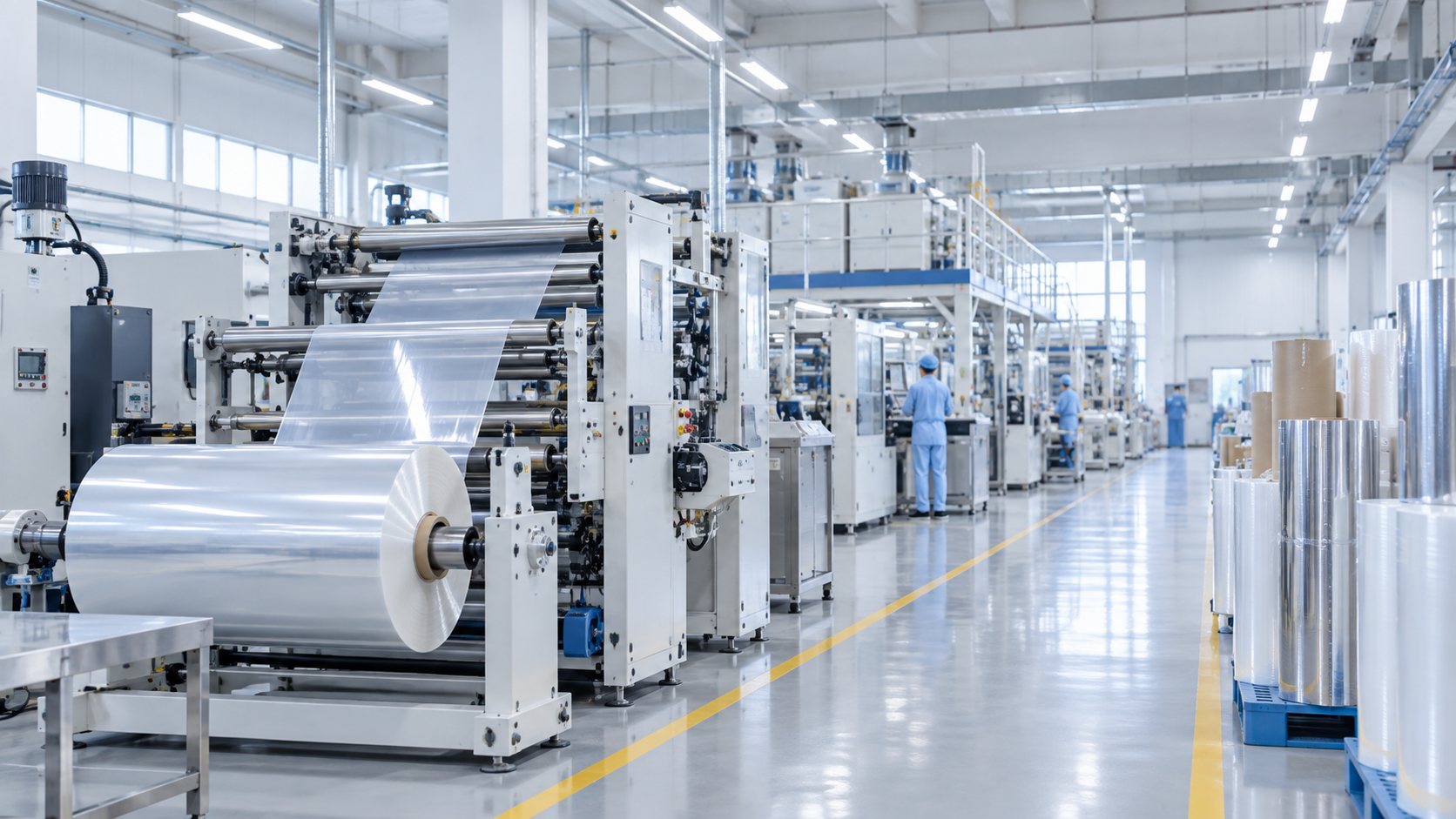
BOPP, CPP, BOPA, BOPET and specialty films, selected around the intended application.
ABOUT CALTROS
Production experience and sourcing resources, brought together around your packaging requirements.
OUR POSITIONING
Caltros combines production experience with trading resources across flexible packaging, paper packaging and woven bags. Your project requirements guide the materials, customization and supply options we discuss.
WHAT WE DO
BOPP, CPP, BOPA, BOPET and specialty films, selected around the intended application.
Printed rollstock, pouches and bags, alongside paper cups, bags and boxes.
PP woven bags for cement, building materials and chemicals.
Sourcing and supply coordination shaped by your destination and delivery requirements.
CORE CAPABILITIES
WHY CALTROS
Consider the material together with the packaging format and intended use, rather than as an isolated specification.
Put dimensions, printing and sample requirements into the same conversation so the details can be reviewed together.
Bring production considerations and sourcing options into the project discussion before confirming the order.
Discuss materials, finished packaging and delivery requirements through a shared project brief.
HOW WE WORK
Each stage adds detail to the same packaging brief.
Share the contents, intended use, quantity and destination. Include initial dimensions or material requirements, and note what is still undecided.
Discuss the material, format, printing and artwork. Set out any sample requirements and the specifications that need confirmation.
Review the specification and quotation together, then confirm the order and production arrangements.
Confirm inspection, packing and transport requirements so they form part of the delivery discussion.
PARTNERSHIP SUPPORT
Materials and finished packs involve connected choices. We bring those choices into a shared discussion around your requirements.
QUALITY PREVIEW
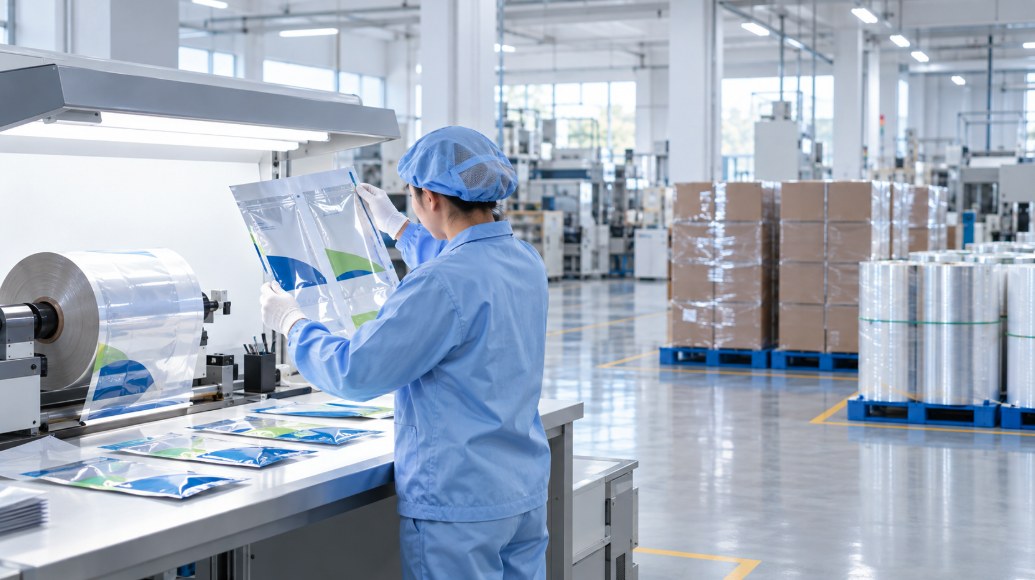
Discuss the specification and inspection requirements for your project.
Match supplier documentation to the relevant material, grade and application.
Clarify packing and transport requirements during supply planning.
Please share the contents and intended application, the dimensions, material or packaging format, and the quantity and delivery destination. Any specifications you already have are helpful — you can also tell us what still needs to be discussed.
We start by understanding the application, then define the packaging (material, format and specification), confirm the commercial and logistics arrangements, and plan the delivery.
Yes. For customization we discuss dimensions, printing and sample requirements as part of the project.
Yes. We discuss the specification and inspection requirements for your project, and match supplier documentation to the relevant material, grade and application.
Packing and transport requirements are clarified during supply planning, and inspection, packing and transport are coordinated as part of the supply chain process.
We're available Monday–Friday, 9 AM–6 PM (GMT+8), and aim to respond within 24 hours of your inquiry.
To quote accurately we need: bag/pouch style, material and thickness, any additional processes, dimensions, quantity, and design/artwork. If you're not sure about a detail yet, you can leave it blank — this is only the starting information, and we'll refine it together in follow-up discussion to reach the final production requirements and the most accurate cost.
We don't set a fixed MOQ — pricing is quoted per order. Finished packaging can be ordered from 1 piece, and film rolls from 1 kg. For a more cost-effective unit price, finished packaging orders of 10,000+ pieces and film roll orders of 300 kg+ generally offer better pricing — the smaller the quantity, the higher the unit price, and vice versa.
Lead time does not include shipping time. For gravure printing, delivery is typically 10–15 days after the final design is confirmed. For digital printing, delivery is typically around 10 days after final design confirmation, since no plate-making step is needed. Larger quantities or more complex processes may need additional time to confirm.
The two differ mainly in printing method. Digital printing avoids plate-making costs, so it suits small orders — generally up to about 4,000 pieces for standard pouch styles, beyond which gravure becomes more cost-effective. Digital ink is thinner with a lighter printed feel, cannot reproduce spot colors directly, has more variation in color consistency, and is not suitable for high-temperature or retort applications. Gravure uses thicker ink for a richer printed feel, reproduces spot colors (including metallic and pearlescent inks) with high accuracy and consistency, and is the standard choice for retort/high-temperature products.
Production always includes a small over/under quantity tolerance rather than an exact match, because extra material is needed to guarantee the ordered quantity. Typical tolerances are around ±20% for orders under 10,000 pieces and ±5–10% for larger orders. You can choose to accept either direction of variance, or request no shortfall (a price premium may then apply). Just let us know the quantity you need — we take both large and small orders.
Screens display color as combinations of red, green and blue light, which varies between devices and lighting conditions. Printing uses CMYK ink, which has a different color range than screen light. Printed color should not be judged against a screen or a printed sample photo — please refer to CMYK values and compare against a physical printed color swatch.
For custom flexible packaging, these figures can't be provided in advance, because every order's size, thickness and pouch style is different, which affects carton dimensions and weight. We can estimate bag weight, but not volume. Carton specifications are finalized and measured after production, once cartons are custom-made for that order.
These fees are non-refundable. Sampling follows the same process steps as bulk production, so it carries the same cost. Plate/mold fees are charged at actual cost and are not charged again on repeat orders as long as the size and content aren't changed. Setup fees apply because small quantities don't generate enough margin to cover equipment use and material adjustment costs on their own.
Tell us the product, specifications, quantity and destination. Include any details still to be decided.
ABOUT CALTROS
Production experience and sourcing resources, brought together around your packaging requirements.
Share your requirementsCaltros combines production experience with trading resources across flexible packaging, paper packaging and woven bags. Your project requirements guide the materials, customization and supply options we discuss.
| Capability | Project considerations |
|---|---|
| Production | Bring production considerations into the brief: material structure, packaging format and specifications. |
| Sourcing | Connect your material requirements with supply options. Films are supplied through partner suppliers; the grade is confirmed with the quotation. |
| Customization | Discuss dimensions, printing, artwork and sample requirements for your selected packaging format. |
| Supply & Delivery | Coordinate the specification, inspection, packing and transport requirements as part of supply planning. |
Share the contents, intended use, quantity and destination. Include initial dimensions or material requirements, and note what is still undecided.
Discuss the material, format, printing and artwork. Set out any sample requirements and the specifications that need confirmation.
Review the specification and quotation together, then confirm the order and production arrangements.
Confirm inspection, packing and transport requirements so they form part of the delivery discussion.
Please share the contents and intended application, the dimensions, material or packaging format, and the quantity and delivery destination. Any specifications you already have are helpful — you can also tell us what still needs to be discussed.
We start by understanding the application, then define the packaging (material, format and specification), confirm the commercial and logistics arrangements, and plan the delivery.
Yes. For customization we discuss dimensions, printing and sample requirements as part of the project.
Yes. We discuss the specification and inspection requirements for your project, and match supplier documentation to the relevant material, grade and application.
Packing and transport requirements are clarified during supply planning, and inspection, packing and transport are coordinated as part of the supply chain process.
We're available Monday–Friday, 9 AM–6 PM (GMT+8), and aim to respond within 24 hours of your inquiry.
To quote accurately we need: bag/pouch style, material and thickness, any additional processes, dimensions, quantity, and design/artwork. If you're not sure about a detail yet, you can leave it blank — this is only the starting information, and we'll refine it together in follow-up discussion to reach the final production requirements and the most accurate cost.
We don't set a fixed MOQ — pricing is quoted per order. Finished packaging can be ordered from 1 piece, and film rolls from 1 kg. For a more cost-effective unit price, finished packaging orders of 10,000+ pieces and film roll orders of 300 kg+ generally offer better pricing — the smaller the quantity, the higher the unit price, and vice versa.
Lead time does not include shipping time. For gravure printing, delivery is typically 10–15 days after the final design is confirmed. For digital printing, delivery is typically around 10 days after final design confirmation, since no plate-making step is needed. Larger quantities or more complex processes may need additional time to confirm.
The two differ mainly in printing method. Digital printing avoids plate-making costs, so it suits small orders — generally up to about 4,000 pieces for standard pouch styles, beyond which gravure becomes more cost-effective. Digital ink is thinner with a lighter printed feel, cannot reproduce spot colors directly, has more variation in color consistency, and is not suitable for high-temperature or retort applications. Gravure uses thicker ink for a richer printed feel, reproduces spot colors (including metallic and pearlescent inks) with high accuracy and consistency, and is the standard choice for retort/high-temperature products.
Production always includes a small over/under quantity tolerance rather than an exact match, because extra material is needed to guarantee the ordered quantity. Typical tolerances are around ±20% for orders under 10,000 pieces and ±5–10% for larger orders. You can choose to accept either direction of variance, or request no shortfall (a price premium may then apply). Just let us know the quantity you need — we take both large and small orders.
Screens display color as combinations of red, green and blue light, which varies between devices and lighting conditions. Printing uses CMYK ink, which has a different color range than screen light. Printed color should not be judged against a screen or a printed sample photo — please refer to CMYK values and compare against a physical printed color swatch.
For custom flexible packaging, these figures can't be provided in advance, because every order's size, thickness and pouch style is different, which affects carton dimensions and weight. We can estimate bag weight, but not volume. Carton specifications are finalized and measured after production, once cartons are custom-made for that order.
These fees are non-refundable. Sampling follows the same process steps as bulk production, so it carries the same cost. Plate/mold fees are charged at actual cost and are not charged again on repeat orders as long as the size and content aren't changed. Setup fees apply because small quantities don't generate enough margin to cover equipment use and material adjustment costs on their own.
Tell us the product, specifications, quantity and destination. Include any details still to be decided.
Share your requirements